

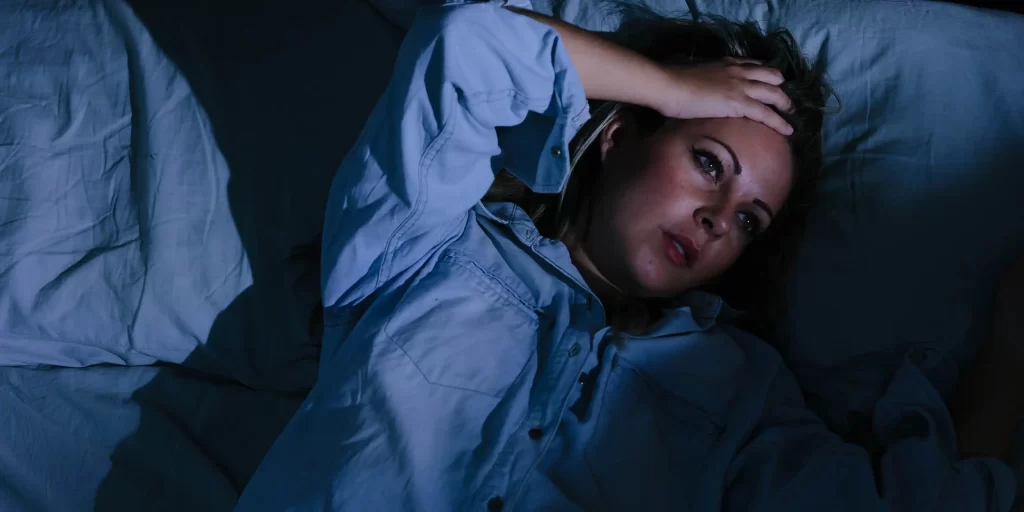
A Vyvanse overdose is a medical emergency. Call 911 right away if someone who took Vyvanse has chest pain, trouble breathing, seizures, hallucinations, severe confusion, fainting, a very high fever, an irregular heartbeat, or loss of consciousness.
The maximum recommended Vyvanse dose is 70 mg per day. If someone took 100 mg or 120 mg and is awake and stable, call Poison Control at 1-800-222-1222 for guidance (U.S. Food and Drug Administration, 2025).
Vyvanse, the brand name for lisdexamfetamine, is used to treat ADHD and moderate to severe binge eating disorder. Taking too much, taking doses too close together, using it without a prescription, or combining Vyvanse with other stimulants or certain drugs can overstimulate the brain, heart, and nervous system.
Key Takeaways
- There is no single lethal dose of Vyvanse. Risk depends on the amount taken, tolerance, heart health, age, other drugs, other stimulants, and how quickly medical care is received.
- A Vyvanse overdose may cause panic, tremor, rapid breathing, confusion, hallucinations, fever, vomiting, diarrhea, irregular heartbeat, blood pressure changes, seizures, coma, and potentially fatal poisoning (U.S. Food and Drug Administration, 2025).
- Emergency treatment is supportive, not a simple reversal. Care may include vital sign monitoring, IV fluids, cooling, seizure control, sedation for severe agitation, and cardiac monitoring (Vasan & Olango, 2024).
- Vyvanse can trigger serotonin syndrome when mixed with SSRIs, SNRIs, MAOIs, triptans, lithium, St. John’s wort, or dextromethorphan. Red flags include fever, agitation, sweating, diarrhea, tremor, muscle rigidity, confusion, hallucinations, and seizures (Simon & Keenaghan, 2024).
- Severe stimulant poisoning can cause rhabdomyolysis, a muscle-breakdown condition that can damage the kidneys, especially with overheating, seizures, agitation, or prolonged immobility (Amanollahi et al., 2023).
Quick Answer: What Should You Do if Someone Took Too Much Vyvanse?
If someone took too much Vyvanse, do not wait to see if their condition gets worse. The safest next step depends on the amount taken, when it was taken, the person’s health history, and whether alcohol, stimulants, antidepressants, or other drugs were used. CDC guidance notes that stimulant poisoning can vary widely and may become dangerous, especially when there are signs of heart attack, stroke, high body temperature, breathing problems, or seizures (Centers for Disease Control and Prevention, 2024).
Call 911 immediately if the person has:
- Chest pain
- Trouble breathing
- Seizures
- Fainting
- Loss of consciousness
- Severe confusion
- Hallucinations
- Severe agitation
- High fever
- Irregular heartbeat
- Blue or pale skin
- Repeated vomiting
- Signs that feel life-threatening
Call Poison Control at 1-800-222-1222 if the person is awake and stable but may have taken too much. Have the Vyvanse bottle available if possible. The dose, time taken, other drugs, and current effects will help professionals decide whether home monitoring, emergency evaluation, or another form of medical intervention is needed.
Do not give alcohol, sedatives, extra pills, caffeine, or energy drinks. These can worsen heart, breathing, mental status, or overheating risks. Do not let the person drive. Move them to a cool, quiet, safe place and stay with them until help arrives. CDC guidance recommends reducing external stimulation, monitoring the person carefully, and staying with them when responding to possible stimulant poisoning (Centers for Disease Control and Prevention, 2024).
Can You Overdose on Vyvanse?
Yes. You can overdose on Vyvanse. This can happen when someone takes more than prescribed, takes multiple doses too close together, uses Vyvanse without a prescription, or combines it with other stimulants or interacting drugs.
A Vyvanse overdose is not always intentional. It can happen if someone accidentally takes an extra dose, forgets they already took it, mistakes another person’s prescription for their own, or takes Vyvanse with a drug that increases stimulant effects.
Vyvanse is converted in the body into dextroamphetamine. Because of this, the effects may continue or worsen after the capsule is swallowed. FDA labeling notes that the pharmacokinetic profile of Vyvanse should be considered when treating poisoning and that lisdexamfetamine and dextroamphetamine are not dialyzable (U.S. Food and Drug Administration, 2025). If the amount taken may be unsafe, it is better to call Poison Control or 911 than to wait.
How Much Vyvanse Does It Take To Overdose?
There is no exact amount that applies to everyone. The maximum recommended daily dose is 70 mg. Taking more than prescribed can increase overdose risk, but the danger depends on age, body size, tolerance, heart health, other drugs, substance use, and how much was taken. CDC guidance notes that stimulant effects can vary greatly based on underlying health, stimulant type, route of use, and dose (Centers for Disease Control and Prevention, 2024).
Risk may be higher if someone:
- Takes more than their prescribed dose
- Takes repeated doses in one day
- Uses Vyvanse without a prescription
- Mixes Vyvanse with Adderall, cocaine, methamphetamine, or other stimulants
- Takes Vyvanse with MAOIs or certain antidepressants
- Has high blood pressure, heart disease, arrhythmias, or a history of stroke
- Has severe anxiety, bipolar disorder, psychosis, or panic
- Uses alcohol or other substances while taking Vyvanse
- Takes Vyvanse to stay awake, study, lose weight, or get high
Do not rely on online dosage estimates to decide whether the situation is serious. If there is any concern, call Poison Control or emergency services.
What if You Accidentally Took 100 mg or 120 mg of Vyvanse?
Accidentally taking 100 mg or 120 mg of Vyvanse should be taken seriously because both amounts are above the maximum recommended daily dose of 70 mg (U.S. Food and Drug Administration, 2025). This does not mean every person will have the same reaction, but it does mean the risk of serious stimulant effects is higher.
If you accidentally took more than prescribed:
- Do not take another dose.
- Avoid caffeine, energy drinks, nicotine, and other stimulants.
- Do not drink alcohol or take sedatives to calm yourself unless a professional tells you to.
- Call Poison Control at 1-800-222-1222 if you are awake and stable.
- Call 911 for chest pain, hallucinations, severe confusion, fainting, seizures, high fever, or trouble breathing.
Prescription Stimulant Side Effects Before an Overdose
A high stimulant dose may cause uncomfortable side effects before the situation becomes an emergency. This section is different from emergency warning signs. These effects may mean your dose needs to be reviewed by a prescriber, especially if they are new, persistent, or getting worse.
Possible signs the dose may be too high include:
- Racing heartbeat
- Anxiety or panic
- Irritability
- Restlessness
- Tremors
- Excessive sweating
- Loss of appetite
- Nausea
- Vomiting
- Diarrhea
- Dizziness
- Trouble sleeping
- Jaw clenching
- Headache
- Feeling unusually energized or unable to slow down
Contact your prescriber if these effects keep happening at your prescribed dose. Seek urgent help if they include chest pain, fainting, severe confusion, hallucinations, suicidal thoughts, or feeling out of control.
Vyvanse Overdose Symptoms
A Vyvanse overdose can affect the brain, heart, muscles, body temperature, and digestive system. The effects may start mildly and become more dangerous over time. Amphetamine toxicity can involve tachycardia, hypertension, impulsivity, aggression, serotonin syndrome, psychosis, and seizures (Vasan & Olango, 2024).
Possible signs include:
- Restlessness
- Confusion
- Panic
- Agitation
- Aggressive behavior
- Hallucinations
- Dilated pupils
- Fast breathing
- Tremors or uncontrollable shaking
- Muscle weakness or muscle pain
- Excessive sweating
- Fever
- Nausea
- Vomiting
- Diarrhea
- Stomach cramps
- Fast or irregular heartbeat
- High or low blood pressure
- Chest pain
- Severe headache
- Seizures
- Loss of consciousness
- Coma
A person does not need to have every warning sign to be in danger. Chest pain, seizures, hallucinations, severe confusion, fainting, high fever, or trouble breathing should always be treated as an emergency.
Severe Stimulant Complications
A severe stimulant reaction can cause life-threatening complications. These may include dangerous heart rhythm changes, severe hypertension, dangerously high body temperature, seizures, coma, and rhabdomyolysis, which is muscle breakdown that can damage the kidneys. A 2023 systematic review found a high incidence of rhabdomyolysis among ICU patients with psychoactive substance intoxication, including amphetamine intoxication (Amanollahi et al., 2023).
Severe stimulant toxicity may also cause extreme agitation, paranoia, panic, or psychosis. CDC guidance describes stimulant poisoning as potentially involving dangerous overheating and mental health effects such as panic, paranoia, anxiety, hallucinations, or psychosis (Centers for Disease Control and Prevention, 2024).
Fast medical care is important because the person may need monitoring, cooling measures, IV fluids, sedation, seizure treatment, cardiac monitoring, or other supportive care. Rapid treatment can also reduce the risk of complications that may contribute to stimulant-related deaths.
Serotonin Syndrome Risk
Vyvanse can contribute to serotonin syndrome when combined with substances that increase serotonin. Serotonin syndrome is a potentially life-threatening reaction caused by too much serotonin activity in the nervous system. FDA labeling warns that serotonin syndrome may occur when amphetamines are used with serotonergic drugs or CYP2D6 inhibitors (U.S. Food and Drug Administration, 2025).
The risk may increase when Vyvanse is taken with:
- SSRIs such as fluoxetine, sertraline, or escitalopram
- SNRIs such as venlafaxine or duloxetine
- MAOIs
- Triptan migraine drugs
- Certain opioids
- Lithium
- St. John’s wort
- Dextromethorphan in some cough medicines
Possible serotonin syndrome signs include:
- Agitation
- Restlessness
- Confusion
- Fast heart rate
- Rapid cardiovascular changes
- Fever
- Sweating
- Diarrhea
- Tremor
- Muscle rigidity
- Loss of coordination
- Hallucinations
- Seizures
Serotonin syndrome is classically associated with mental status changes, autonomic dysfunction, and neuromuscular excitation; severe cases can be life-threatening and require urgent care (Simon & Keenaghan, 2024). Seek emergency care if serotonin syndrome is possible, especially if the person has fever, confusion, muscle rigidity, seizures, hallucinations, or rapid heart changes.
Emergency Treatment
Treatment is based on the person’s condition. There is no at-home remedy that can reliably reverse a Vyvanse overdose.
Emergency care may include:
- Monitoring heart rate, breathing, and temperature
- IV fluids for dehydration or rhabdomyolysis risk
- Cooling measures for dangerously high body temperature
- Medications to control severe agitation or seizures
- Cardiac monitoring for arrhythmias
- Observation until the person improves
- Evaluation for co-occurring substance use or mental health risk
Treatment for amphetamine toxicity is largely supportive and symptom-based, including management of agitation, cardiovascular instability, hyperthermia, and seizures when present (Vasan & Olango, 2024). Activated charcoal may be considered in some recent ingestions, but that decision should be made by medical professionals. Care should never be delayed while trying home remedies.
Crash, Comedown, and Withdrawal Symptoms
A stimulant crash is not the same as an overdose. A crash can happen as the stimulant effect wears off and may cause fatigue, irritability, low mood, increased appetite, or sleepiness.
Withdrawal symptoms may also occur after repeated misuse or heavy use, especially when someone stops suddenly. These can include depression, exhaustion, sleep changes, cravings, and difficulty concentrating.
An overdose is more dangerous and may involve severe agitation, chest pain, rapid heartbeat, high fever, hallucinations, seizures, or loss of consciousness. If you are unsure whether the person is having a crash, side effect, withdrawal, or toxic reaction, call a professional or Poison Control. It is safer to ask for help than to miss a serious event.
Misuse and Future Risk
Misuse means taking a drug in a way other than prescribed. This may include taking higher doses, taking it more often, using someone else’s prescription, or using it for energy, studying, appetite suppression, or euphoria.
Misuse increases overdose risk for several reasons. A person may take larger amounts as tolerance develops, combine stimulants with other substances, skip sleep, eat too little, become dehydrated, or ignore early warning signs such as chest pain, panic, or severe agitation.
Signs of misuse may include:
- Running out of medication early
- Taking extra doses without a prescriber’s approval
- Feeling unable to function without Vyvanse
- Using it to stay awake, study, or lose weight
- Taking someone else’s prescription
- Crushing, snorting, or injecting stimulant drugs
- Becoming anxious, paranoid, or irritable when not taking it
- Continuing use despite heart, sleep, mood, or relationship problems
A 2025 systematic review and meta-analysis found average past-year prescription stimulant misuse prevalence of 22.6% and past-year diversion prevalence of 18.2% among people prescribed stimulant medications (Forrest et al., 2025). Those findings support early screening, safe prescribing, and treatment referral when misuse, cravings, or repeated risky use appear.
Addiction and Mental Health
Addiction can develop when someone feels unable to control stimulant use despite harm. Vyvanse affects dopamine and norepinephrine, neurotransmitters involved in attention, motivation, reward, and arousal. FDA labeling warns that central nervous system stimulants, including Vyvanse, have a high potential for abuse and dependence (U.S. Food and Drug Administration, 2025).
Stimulant misuse may also worsen anxiety, insomnia, panic, irritability, paranoia, depression, or psychosis. Some people misuse stimulants to cope with untreated ADHD, binge eating, depression, fatigue, trauma, academic stress, or work pressure. Research on stimulant misuse found that risk factors included being prescribed an amphetamine-based stimulant, reporting comorbid depressive and anxiety effects, and believing misuse was not associated with risks (Forrest et al., 2025).
Effective addiction treatment should address both stimulant use and the underlying reasons someone began misusing it. This may include therapy, psychiatric care, relapse prevention, medication management, outpatient support, and care for co-occurring mental health conditions.
When Rehab or Treatment May Be Needed
Treatment may be helpful if stimulant use has become hard to control or has caused health, emotional, academic, work, or relationship problems. Rehab may be appropriate when a person keeps misusing Vyvanse despite harm, has repeated toxic reactions, or needs a structured recovery plan.
Consider reaching out for help if you or a loved one:
- Takes more than prescribed
- Uses medication without a prescription
- Mixes stimulants with other substances
- Has had overdose symptoms
- Feels unable to stop or cut back
- Experiences cravings
- Becomes anxious, paranoid, depressed, or aggressive while using
- Cannot sleep or eat normally because of stimulant use
- Uses stimulants to manage weight, productivity, or emotions
- Has tried to stop but keeps returning to use
Rehab, outpatient treatment, therapy, and relapse-prevention planning can help reduce future risk and support recovery when stimulant misuse is part of a broader substance use or mental health concern. Some people need residential care after repeated overdose risk, while others may benefit from outpatient treatment if they are medically stable and have support at home.
Get Help for Vyvanse Addiction in Washington
As a Schedule II controlled medication, the risk for abuse and addiction with Vyvanse is very high. In 2018, it was estimated that 4.7 million adults were abusing stimulants, including Vyvanse. It is important to know that there are facilities that specialize in helping anyone struggling with addiction to Vyvanse.
The Recovery Village Ridgefield is an accredited rehabilitation center that offers compassionate, evidence-based care to anyone struggling with Vyvanse misuse. Treatment programs at our facility cover a full continuum of care, including medical detox, inpatient rehab, partial hospitalization, outpatient rehab and aftercare.
The Recovery Village Ridgefield is an in-network provider for a host of insurance companies, including Aetna, Cigna and America’s choice. Learn more about which insurances are accepted by visiting our insurance page. Dealing with a substance use disorder is difficult, but you do not have to do it alone. Contact us today to speak with one of our compassionate team members, who can guide you further on how to begin a healthier life on the road to recovery.
Frequently Asked Questions
Can you take too much?
Yes. Taking too much can happen when someone takes extra doses, takes doses too close together, uses it without a prescription, or combines it with other stimulants or certain drugs.
What is the maximum recommended dose?
The maximum recommended daily dose is 70 mg. Doses higher than 70 mg per day have not been studied in clinical use and may increase the risk of serious stimulant-related effects (U.S. Food and Drug Administration, 2025).
Is there a lethal amount?
There is no single lethal amount that applies to everyone. Risk depends on the amount taken, other substances used, heart health, age, tolerance, body response, and how quickly medical care is received.
What are the first warning signs?
Early signs may include restlessness, panic, tremors, sweating, nausea, vomiting, diarrhea, fast breathing, rapid heartbeat, blood pressure changes, and confusion.
What are severe symptoms?
Severe signs may include chest pain, irregular heartbeat, hallucinations, high fever, seizures, fainting, coma, severe agitation, or trouble breathing.
What should I do after taking 100 mg?
Do not take more. Call Poison Control at 1-800-222-1222 if you are awake and stable. Call 911 for chest pain, hallucinations, severe confusion, fainting, high fever, seizures, or trouble breathing.
What should I do after taking 120 mg?
Because 120 mg is above the maximum recommended daily dose, call Poison Control for guidance even if you feel okay. Call 911 right away if you have chest pain, severe anxiety, hallucinations, confusion, fainting, fever, seizures, or trouble breathing.
Can it cause serotonin syndrome?
Yes. It may contribute to serotonin syndrome when combined with serotonergic drugs or substances. Signs can include agitation, fever, sweating, diarrhea, tremor, muscle rigidity, confusion, hallucinations, and seizures (U.S. Food and Drug Administration, 2025; Simon & Keenaghan, 2024).
Can it cause heart problems?
Yes. Stimulant toxicity can cause rapid heart rate, irregular heartbeat, cardiovascular changes, chest pain, and in severe cases, serious heart complications. Amphetamine toxicity can include tachycardia, hypertension, and other cardiovascular effects (Vasan & Olango, 2024).
Can it happen while taking it as prescribed?
It is less likely when taken exactly as prescribed, but serious reactions can still occur, especially if a person has heart problems, takes interacting drugs, accidentally takes extra doses, or uses other stimulants.
When should someone get help for misuse?
Treatment may be needed when someone takes more than prescribed, uses medication without a prescription, has cravings, cannot stop, experiences overdose symptoms, or keeps using despite harm.
References
Amanollahi, A., Kianmehr, N., Moradi, S., & Alizadeh, S. (2023). Incidence of rhabdomyolysis occurrence in psychoactive substances intoxication: A systematic review and meta-analysis. Scientific Reports, 13, 18329.
Full link: https://www.nature.com/articles/s41598-023-45031-4
Centers for Disease Control and Prevention. (2024). Stimulant guide: Prevent, recognize, and respond to stimulant overdose.
Full link: https://www.cdc.gov/overdose-prevention/media/pdfs/2024/03/CDC-Stimulant-Guide.pdf
Forrest, J., Chen, C., & Reilly, C. (2025). Misuse and diversion of stimulant medications prescribed for the treatment of ADHD: A systematic review and meta-analysis. Frontiers in Psychiatry, 16, 1612785.
Full link: https://pmc.ncbi.nlm.nih.gov/articles/PMC12280905/
Simon, L. V., & Keenaghan, M. (2024). Serotonin syndrome. StatPearls Publishing.
Full link: https://www.ncbi.nlm.nih.gov/books/NBK482377/
U.S. Food and Drug Administration. (2025). Vyvanse prescribing information.
Full link: https://www.accessdata.fda.gov/drugsatfda_docs/label/2025/021977s054%2C208510s011lbl.pdf
Vasan, S., & Olango, G. J. (2024). Amphetamine toxicity. StatPearls Publishing.
Full link: https://www.ncbi.nlm.nih.gov/books/NBK470276/