

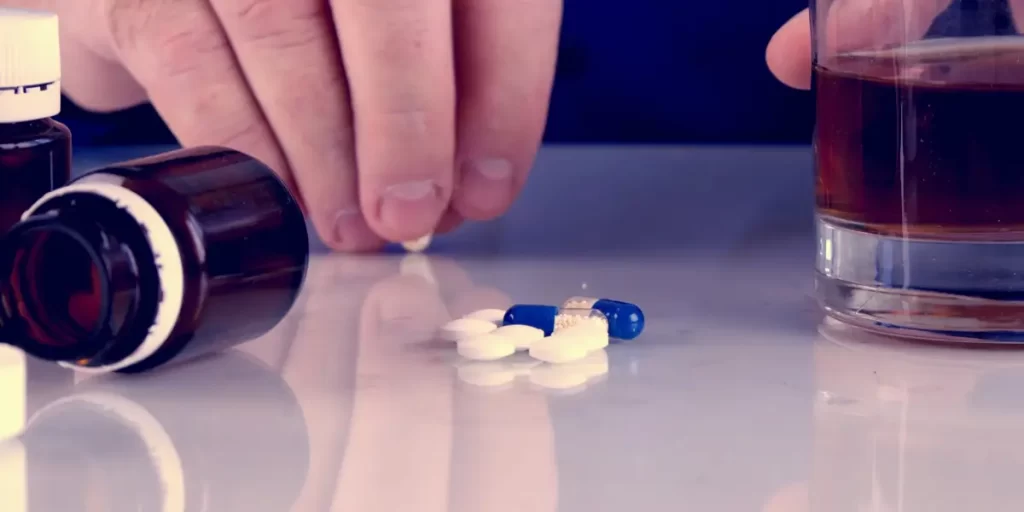
Some people taking blood thinners such as warfarin, Xarelto, Eliquis, Plavix or aspirin may be able to drink small amounts of alcohol, but heavy drinking and binge drinking should be avoided; moderate drinking is generally up to 2 drinks per day for men or 1 drink per day for women is safer though the safest amount depends on the medication, bleeding risk, liver health and doctor/pharmacist guidance.
Blood thinners reduce the body’s ability to form clots. Mixing alcohol with these drugs can affect blood clotting, raise injury risk and make some medications harder to manage. Warfarin is especially sensitive, and the American Heart Association advises caution for anyone taking warfarin (American Heart Association, 2024).
Key Takeaways
- Heavy drinking and binge drinking are the biggest concerns with these medications. Binge drinking is typically 4 or more drinks for women or 5 or more drinks for men in about 2 hours (NIAAA, 2025).
- Moderate alcohol use is up to 1 drink per day for women and up to 2 drinks per day for men, but that limit may still be unsafe with blood thinners (CDC, 2025a).
- Warfarin has the clearest concern because alcohol can affect how the body metabolizes it and may raise major bleeding risk through antiplatelet effects (American Heart Association, 2024).
- Xarelto and other direct oral anticoagulants do not require INR testing like warfarin, but heavy drinking can still make serious bleeding more likely (NHS, 2024a).
- Aspirin can increase stomach bleeding risk, and 3 or more alcoholic drinks per day can raise that risk further (U.S. Food and Drug Administration, 2022).
- Liver disease, prior major bleeding or a high risk score can make oral anticoagulants more dangerous (Jeong et al., 2024).
- Seek urgent care for blood in urine or stool, vomiting blood, coughing blood, sudden severe headache or confusion (NHS, 2026a).
- Do not skip a dose after drinking. Missing anticoagulant doses can increase the risk of stroke, pulmonary embolism or another dangerous clot (MedlinePlus, 2024).
Can You Drink While Taking Blood Thinners?
Some people may be able to drink a small amount while taking blood thinners. The safest answer depends on the medication, dose and personal health risks.
Heavy drinking and binge drinking can increase bleeding risk. NHS guidance for rivaroxaban says alcohol is allowed, but heavy drinking can make bleeding more likely (NHS, 2024a).
This is why guidance varies by person. Someone on a stable dose of a newer anticoagulant may receive different advice than someone on several medications that affect blood.
Alcohol Consumption and Standard Drink Limits
For adults who drink, moderate use is commonly defined as up to 1 drink per day for women and up to 2 drinks per day for men (CDC, 2025a). That public health limit does not automatically mean alcohol consumption is safe with anticoagulant or antiplatelet medication. A clinician can help you understand your personal risk.
A standard drink is generally:
- 12 ounces of beer
- 5 ounces of wine
- 1.5 ounces of liquor
These standard sizes are based on the amount of pure alcohol in each serving (CDC, 2024).
Pattern matters as much as amount. Several drinks in one sitting can raise the risk of injuries, falls and medication problems.
Who May Need to Stop Drinking?
Some people may need to avoid alcohol while using these medications unless their clinician says otherwise.
This may include those with liver disease, a history of major bleeding or trouble controlling use. Frequent falls or several medications that affect blood may also raise risk.
These factors can make clotting harder to predict. A nationwide study of anticoagulant users found higher major bleeding rates among those with liver disease, high risk scores and prior bleeding history (Jeong et al., 2024).
What These Medications Do
These medications reduce the risk of dangerous clots. They may be prescribed for atrial fibrillation, deep vein thrombosis or a history of stroke.
The term “blood thinner” is informal. These medications do not actually thin the blood. They slow clot formation or make certain blood cells less likely to stick together.
These drugs can help prevent life-threatening clots. They can also make bleeding harder to control after an injury, surgery or medical procedure (Amaraneni et al., 2024).
Oral Anticoagulants vs. Antiplatelet Medications
These medications fall into two main groups: anticoagulants and antiplatelet medications.
Anticoagulants affect clot formation. Common examples include warfarin, Xarelto and Eliquis.
Antiplatelet medications make platelets less likely to stick together. Common examples include aspirin, Plavix and Brilinta.
Both types can raise bleeding risk. Alcohol can add concern when use is heavy, frequent or combined with other medications.
Is It a Blood Thinner?
Alcohol can affect clotting, but it is not a safe or reliable blood thinner. Using it to prevent a heart attack, stroke or blood clot is unsafe.
It may interfere with platelets and clotting factors. A large Framingham Heart Study analysis found that intake was linked with decreased platelet reactivity, and a 2025 study found that intoxication impaired primary hemostasis by reducing platelet function (Pashek et al., 2023; Schmölders et al., 2025).
Anyone prescribed clot-preventing medication should take it exactly as directed. Alcohol is not a replacement for prescribed treatment.
How It Affects Clotting
Alcohol can affect clotting in several ways. It may influence platelet activity, clotting proteins and liver function.
The liver helps make proteins involved in clotting. Heavy use can damage the liver over time, which can make clotting and medication effects harder to manage (CDC, 2025b).
It can also increase the chance of falls and injuries. For someone using an anticoagulant or antiplatelet medication, even a minor injury can become more serious.
Alcohol Interactions and Medication Risks
This combination can create risk through injuries, medication effects and serious bleeding.
Anticoagulants and antiplatelet medications can make bleeding harder to control. Alcohol interactions may add to that risk, especially with heavy use.
It can also affect balance, reaction time and judgment. The CDC lists motor vehicle crashes and falls among the short-term harms linked to excessive use (CDC, 2025b).
For warfarin, the main issue is medication control. The American Heart Association notes that alcohol can affect how the body metabolizes warfarin and may increase major bleeding risk through antiplatelet effects (American Heart Association, 2024).
Warning Signs That Need Urgent Care
Anyone using anticoagulant or antiplatelet medication should know when to seek urgent care. These symptoms may point to serious bleeding.
Call your doctor right away or seek urgent care if you notice:
- Blood in urine or stool
- Vomit that looks bloody or dark
- Coughing up blood
- Severe headache or confusion
- Bleeding that does not stop
NHS guidance for apixaban lists warning signs such as blood in urine or stool, vomiting blood, coughing blood and sudden severe headache with confusion (NHS, 2026a).
You should also seek medical care after a head injury, even if you feel fine. NHS anticoagulant guidance advises immediate medical advice after any head injury because bleeding can be more serious while using anticoagulants (North Tees and Hartlepool NHS Foundation Trust, n.d.).
Warfarin
Warfarin is one of the medications most affected by alcohol. It requires INR testing, which measures how quickly blood clots (NHS, 2026b).
Large amounts can interfere with how this drug works. NHS guidance advises anyone on warfarin to avoid large amounts of alcohol (NHS, 2026b).
The main concern is consistency and safety. Be honest with your clinician about use so INR levels and dosing can be monitored appropriately.
Xarelto
Xarelto is the brand name for rivaroxaban. It is a direct oral anticoagulant, also called a DOAC.
Unlike warfarin, Xarelto does not require routine INR testing. However, it still increases bleeding risk.
NHS guidance says people can drink alcohol while taking rivaroxaban, but heavy use and binge episodes can make bleeding more likely (NHS, 2024a). Anyone taking blood thinners should ask a prescriber what level of use is safe.
Eliquis
Eliquis is the brand name for apixaban. It is another direct oral anticoagulant used to reduce dangerous clot risk.
Eliquis does not require routine INR testing like warfarin. Still, alcohol may add risk through falls, stomach irritation or liver-related concerns.
Ask your healthcare provider before drinking, especially if you have liver disease, kidney disease or prior bleeding. Liver disease and prior bleeding history are both linked with higher bleeding risk in anticoagulant users (Jeong et al., 2024).
Other DOACs
Other DOACs include Pradaxa and Savaysa. These medications work differently from warfarin, but they still reduce the body’s ability to form clots.
Alcohol does not directly affect all DOACs in the same way. However, heavy use can increase bleeding risk. Guy’s and St Thomas’ NHS Foundation Trust advises safe limits because too much alcohol can increase bleeding risk (Guy’s and St Thomas’ NHS Foundation Trust, 2024).
Follow your prescriber’s advice and avoid binge episodes.
Aspirin
Aspirin is an antiplatelet medication. It reduces clotting by making platelets less likely to stick together.
Alcohol can irritate the stomach lining. Aspirin can also increase the risk of stomach or intestinal bleeding. When combined, the risk may be higher with heavy use.
A systematic review found that long-term low-dose aspirin increases gastrointestinal bleeding risk. The FDA also warns that three or more drinks each day can increase stomach bleeding risk with aspirin-containing products (García Rodríguez et al., 2016; U.S. Food and Drug Administration, 2022).
Plavix or Brilinta
Plavix and Brilinta are antiplatelet medications. They are often used to reduce the risk of heart attack, stroke or clotting after certain heart procedures.
The main concern is bleeding risk, especially when these medications are combined with aspirin or similar drugs. Upper gastrointestinal bleeding risk increases when aspirin is combined with P2Y12 inhibitors such as clopidogrel, the drug name for Plavix (Antunes et al., 2024).
Alcohol can add concern because it may irritate the stomach and increase injury risk. Ask your doctor or pharmacist before combining use with Plavix, Brilinta or another antiplatelet medication.
Liver Health
The liver helps the body make clotting proteins. It also helps process medications and toxins.
Heavy use can damage the liver over time. When liver function is reduced, clotting risks and medication effects can become harder to predict.
This matters for anticoagulant users because liver disease can increase bleeding risk. In a nationwide study, liver disease was associated with a higher incidence of major bleeding among anticoagulant users (Jeong et al., 2024).
Falls and Injury Risk
Alcohol can increase the risk of falls, crashes and other injuries. The CDC lists motor vehicle crashes and falls among short-term harms linked to excessive use (CDC, 2025b).
For someone using an anticoagulant, injuries can be more dangerous. A fall or head injury can cause internal bleeding, even when there is little visible blood.
This is one reason binge use is especially risky with anticoagulants or antiplatelet medications.
Questions to Ask Your Doctor Before Drinking
If you take an anticoagulant or antiplatelet medication, ask your doctor or pharmacist specific questions before drinking alcohol.
Helpful questions include:
- Is any alcohol safe with my medication?
- What amount should I avoid?
- Does my bleeding risk make alcohol unsafe?
- What warning signs should I watch for?
Be honest about how much you use. Doctors and pharmacists need accurate information to help keep you safe.
Safety Steps for Blood Thinners
The safest approach is to follow your prescriber’s instructions. Avoid changing or stopping your medication because you want to drink alcohol.
To reduce risk, ask whether alcohol is safe, avoid binge episodes and report bleeding signs quickly. You should also tell each provider about your medications so they can check for risks.
Tell your healthcare provider if cutting back feels difficult. They can help you find safe support.
Should You Stop Your Medication if You Drank?
Keep taking your medication as directed unless a healthcare provider tells you otherwise. Stopping suddenly can increase the risk of stroke, pulmonary embolism or another dangerous clot.
If you used alcohol while taking your medication, contact your doctor or pharmacist for guidance. Seek urgent care if you have bleeding, severe headache, confusion, weakness or a head injury.
What to Do if You Already Drank
If you drank a small amount and feel well, keep following your medication instructions. Contact your doctor or pharmacist if you are unsure what to do.
Seek urgent medical care if you have bleeding signs, severe headache, dizziness, weakness or confusion. You should also get medical help after a fall or head injury.
If you drink heavily or cannot stop, tell your healthcare provider. They can help you reduce risk and connect you with treatment support.
When Use May Be a Problem
Some people can stop when a clinician recommends it. Others may find it difficult, even when use creates medical risks.
Alcohol use may be a concern if you keep using despite health risks, struggle to cut back or combine it with medications. Hiding how much you use or having withdrawal can also signal a larger problem.
If use feels hard to control, professional treatment can help.
Getting Help in Washington
Avoiding alcohol can be difficult for someone with addiction, even when it creates serious medical risks. This can be especially concerning for people taking blood thinners.
The Recovery Village Ridgefield provides evidence-based addiction treatment for adults in Washington and the Pacific Northwest. Treatment may include medical detox, inpatient care and therapy.
Evidence-based alcohol use disorder treatment may include behavioral health care, FDA-approved medications and mutual-support options (McPheeters et al., 2023; National Institute on Alcohol Abuse and Alcoholism, 2025).
If alcohol use is affecting your health, medications or peace of mind, help is available. A confidential conversation with a Recovery Advocate can help you understand your options.
Frequently Asked Questions
Is It Safe to Drink?
Some people may be able to drink small amounts while taking certain anticoagulants. The safest amount depends on the medication and health history.
Heavy use and binge episodes can increase bleeding risk, especially with anticoagulants (NHS, 2024a; American Heart Association, 2024).
What Happens if They Are Combined?
The combination can increase the risk of bleeding, injuries and medication complications. Warfarin is especially sensitive because alcohol can affect how the body metabolizes it (American Heart Association, 2024).
Does It Affect Clotting?
Alcohol can affect clotting, but it is not a safe or reliable way to prevent clots. Studies show it can reduce platelet reactivity and impair primary hemostasis, which may affect bleeding risk (Pashek et al., 2023; Schmölders et al., 2025).
Which Medications Carry the Most Risk?
Alcohol may create risk with anticoagulants such as warfarin, Xarelto and Eliquis. It may also increase bleeding risk with antiplatelet medications such as aspirin and Plavix.
Can Internal Bleeding Happen?
Alcohol may increase the risk of internal bleeding, especially with heavy use, falls or stomach irritation. Oral anticoagulants are associated with major bleeding risk, and gastrointestinal bleeding is one of the major types tracked in anticoagulant safety research (Jeong et al., 2024).
Is Wine Safer Than Liquor?
The type matters less than the amount and pattern of use. Binge episodes or heavy use are risky whether the source is wine, beer or liquor.
Can I Skip a Dose?
Take your medication exactly as prescribed. Skipping a dose can increase the risk of a dangerous clot.
What Should I Do After Drinking?
If you drank a small amount and feel well, contact your doctor or pharmacist if you are unsure what to do. Seek urgent medical care if you have bleeding, severe headache, confusion or a head injury.
Who Has the Highest Risk?
Those with liver disease, prior major bleeding or alcohol use disorder may need to avoid alcohol. Frequent falls may also raise risk.
Is Eliquis Safer Than Warfarin?
Eliquis does not require INR testing like warfarin, but it still increases bleeding risk. Alcohol may still add risk, especially with heavy use or other medical conditions.
When Should I Get Help?
Consider seeking help if alcohol use is hard to control or continues despite medical risks. Support may be especially important if you are drinking while taking blood thinners or other medications.
References
Amaraneni, A., Chippa, V., & Rettew, A. C. (2024). Anticoagulation safety. StatPearls Publishing.
Full hyperlink: https://www.ncbi.nlm.nih.gov/books/NBK519025/
American Heart Association. (2024). A guide to taking warfarin.
Full hyperlink: https://www.heart.org/en/health-topics/arrhythmia/prevention–treatment-of-arrhythmia/a-patients-guide-to-taking-warfarin
Antunes, C., Copelin, E. L., & Gossman, W. G. (2024). Upper gastrointestinal bleeding. StatPearls Publishing.
Full hyperlink: https://www.ncbi.nlm.nih.gov/books/NBK470300/
Centers for Disease Control and Prevention. (2024). About standard drink sizes.
Full hyperlink: https://www.cdc.gov/alcohol/standard-drink-sizes/index.html
Centers for Disease Control and Prevention. (2025a). About moderate alcohol use.
Full hyperlink: https://www.cdc.gov/alcohol/about-alcohol-use/moderate-alcohol-use.html
Centers for Disease Control and Prevention. (2025b). Alcohol use and your health.
Full hyperlink: https://www.cdc.gov/alcohol/about-alcohol-use/index.html
García Rodríguez, L. A., Martín-Pérez, M., Hennekens, C. H., Rothwell, P. M., Lanas, A., & Soriano-Gabarró, M. (2016). Bleeding risk with long-term low-dose aspirin: A systematic review of observational studies. PLOS ONE, 11(8), e0160046. https://doi.org/10.1371/journal.pone.0160046
Full hyperlink: https://pmc.ncbi.nlm.nih.gov/articles/PMC4973997/
Guy’s and St Thomas’ NHS Foundation Trust. (2024). Direct oral anticoagulants.
Full hyperlink: https://www.guysandstthomas.nhs.uk/health-information/direct-oral-anticoagulants
Jeong, J. J., Heo, K.-N., Lee, S., Ah, Y.-M., Min, S., Han, J. M., & Lee, J.-Y. (2024). Exploring bleeding in oral anticoagulant users: Assessing incidence by indications and risk factors in the entire nationwide cohort. Frontiers in Pharmacology, 15, 1399955. https://doi.org/10.3389/fphar.2024.1399955
Full hyperlink: https://www.frontiersin.org/journals/pharmacology/articles/10.3389/fphar.2024.1399955/full
McPheeters, M., O’Connor, E. A., Riley, S., Kennedy, S. M., Voisin, C., Kuznacic, K., Coffey, C. P., Edlund, M. D., Bobashev, G., & Jonas, D. E. (2023). Pharmacotherapy for alcohol use disorder: A systematic review and meta-analysis. JAMA, 330(17), 1653–1665. https://doi.org/10.1001/jama.2023.19761
Full hyperlink: https://jamanetwork.com/journals/jama/fullarticle/2811435
MedlinePlus. (2024). Blood thinners.
Full hyperlink: https://medlineplus.gov/bloodthinners.html
National Institute on Alcohol Abuse and Alcoholism. (2025). Understanding alcohol drinking patterns.
Full hyperlink: https://www.niaaa.nih.gov/alcohols-effects-health/alcohol-drinking-patterns
National Institute on Alcohol Abuse and Alcoholism. (2025). Recommend evidence-based treatment: Know the options.
Full hyperlink: https://www.niaaa.nih.gov/health-professionals-communities/core-resource-on-alcohol/recommend-evidence-based-treatment-know-options
NHS. (2024a). Common questions about rivaroxaban.
Full hyperlink: https://www.nhs.uk/medicines/rivaroxaban/common-questions-about-rivaroxaban/
NHS. (2026a). Apixaban.
Full hyperlink: https://www.nhs.uk/medicines/apixaban/
NHS. (2026b). Warfarin.
Full hyperlink: https://www.nhs.uk/medicines/warfarin/
North Tees and Hartlepool NHS Foundation Trust. (n.d.). Anticoagulants (blood thinners).
Full hyperlink: https://www.nth.nhs.uk/resources/anticoagulants-blood-thinners/
Pashek, R. E., Chan, M. V., O’Donnell, C. J., Larson, M. G., Lunetta, K. L., & Johnson, A. D. (2023). Alcohol intake including wine drinking is associated with decreased platelet reactivity in a large population sample. International Journal of Epidemiology, 52(6), 1939–1952. https://doi.org/10.1093/ije/dyad083
Full hyperlink: https://pubmed.ncbi.nlm.nih.gov/37431613/
Schmölders, R. S., Beitzen-Heineke, W., Böll, B., Hinkelbein, J., Mesters, R. M., Schöchl, H., & Maegele, M. (2025). Evaluation of alcohol intoxication on primary and secondary haemostasis: Results from comprehensive coagulation testing. International Journal of Legal Medicine, 139, 1797–1808. https://doi.org/10.1007/s00414-025-03453-x
Full hyperlink: https://pubmed.ncbi.nlm.nih.gov/39985607/
U.S. Food and Drug Administration. (2022). Warning: Aspirin-containing antacid medicines can cause bleeding.
Full hyperlink: https://www.fda.gov/consumers/consumer-updates/warning-aspirin-containing-antacid-medicines-can-cause-bleeding