

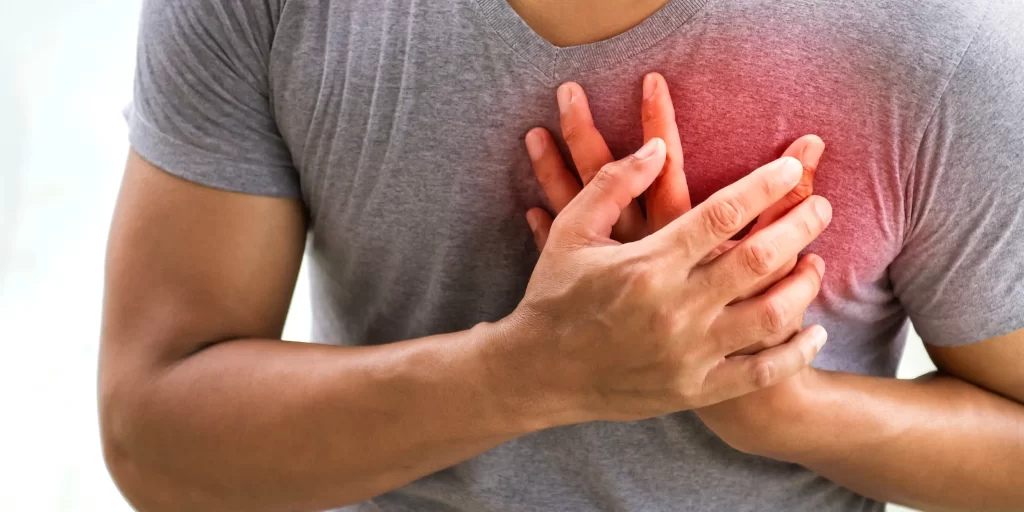
An amphetamine overdose can cause dangerous changes in heart rate, blood pressure, body temperature, behavior, and seizure risk. It may happen after a high dose, repeated dosing, misuse of a prescription, or use of a stimulant drug with unknown strength (Vasan et al., 2024).
If someone may be having a serious stimulant reaction, call 911 immediately.
Amphetamines are stimulant drugs that affect the central nervous system. Prescription versions may be used to treat attention-deficit hyperactivity disorder (ADHD), narcolepsy, and certain other medical conditions. They may also be misused for effects such as increased energy, euphoria, appetite suppression, or improved focus (Vasan et al., 2024).
Emergency Warning: When to Call 911
Call 911 right away if someone used a stimulant and has any signs of a medical emergency, including:
- Chest pain
- Trouble breathing
- Seizures
- Fainting or loss of consciousness
- Severe agitation, panic, or confusion
- Hallucinations or paranoia
- Very high body temperature
- Heavy sweating with hot, flushed, or dry skin
- Irregular heartbeat
- Severe headache
- Weakness, numbness, or trouble speaking
- Severe vomiting
- Aggression or behavior that may put them or others in danger
Do not wait to see if symptoms improve. A stimulant overdose can worsen quickly, especially when high body temperature, heart symptoms, severe confusion, or seizures occur. CDC guidance notes that stimulants can cause cardiovascular complications, body-temperature problems, and psychological symptoms (CDC, 2025).
Key Takeaways
- Early overdose symptoms may include racing heart, high blood pressure, sweating, dilated pupils, tremors, nausea, jaw clenching, anxiety, panic, agitation, or restlessness. Symptoms can progress to overheating, psychosis, seizures, or loss of consciousness (Vasan et al., 2024).
- There is no single overdose amount. Risk depends on dose, timing, tolerance, route of use, hydration, body temperature, health history, and whether alcohol or other substances were used (Vasan et al., 2024).
- Severe complications can include hyperthermia, abnormal heart rhythms, heart attack, stroke, aortic dissection, rhabdomyolysis, kidney injury, liver injury, coma, or death (CDC, 2025; Vasan et al., 2024).
- Overdose care should not wait for a drug test. Clinicians may start care based on symptoms and vital signs, then use ECG testing, blood work, urine screening, temperature checks, and kidney or liver testing to guide care (BMJ Best Practice, n.d.; Vasan et al., 2024).
- There is no specific antidote. Emergency care focuses on stabilizing vital signs, cooling the body, giving IV fluids, calming severe agitation, treating seizures, monitoring the heart, and managing organ complications (Vasan et al., 2024).
- Benzodiazepines may be used for severe stimulant-related agitation, confusion, or seizures. ASAM/AAAP identifies them as a first-line option for stimulant-induced agitation or confusion (ASAM/AAAP, 2024).
- Repeated misuse, cravings, withdrawal, inability to stop, or continued use after a medical scare can point to addiction. Evidence-based care may include stabilization, therapy, contingency management, relapse prevention, and ongoing recovery support (NIDA, 2024; SAMHSA, 2021).
What Counts as Toxic Stimulant Use?
Toxic stimulant use occurs when the body cannot safely handle the drug’s effects. Amphetamines increase the activity of dopamine and norepinephrine, chemicals that can raise alertness, energy, heart rate, blood pressure, and body temperature (Vasan et al., 2024).
At unsafe levels, the body can become overstimulated. This may lead to chest pain, tremors, overheating, vomiting, irregular heartbeat, seizures, panic, paranoia, hallucinations, or confusion.
This can happen with prescription stimulants, illegal amphetamines, methamphetamine, or other stimulant drugs. It can also happen when stimulants are mixed with alcohol, cocaine, or other substances.
How Much Is Too Much?
There is no single amount that causes a toxic reaction in every person. A dose that causes mild effects in one person may cause dangerous symptoms in another.
Risk depends on factors such as:
- How much was taken
- How recently it was taken
- Whether multiple doses were taken close together
- Whether the drug was swallowed, snorted, smoked, or injected
- Whether the person has stimulant tolerance
- Whether alcohol, cocaine, or other drugs were used
- Whether the person has heart disease, high blood pressure, kidney problems, liver problems, or a history of seizures
- Whether the person is dehydrated, overheated, or physically exerting themselves
- Whether the stimulant was prescribed or illicit
Higher doses and repeated use increase risk, but first-time users can also have toxic reactions. Illicit stimulants are especially risky because the dose, strength, and contents may be unknown.
Amphetamine Overdose Symptoms
Symptoms can affect the body, mind, and behavior. They may begin with restlessness, anxiety, sweating, or a racing heart, then become more severe as stimulant activity worsens.
Physical symptoms may include:
- Fast heart rate
- High blood pressure
- Chest pain
- Irregular heartbeat
- Sweating
- Dilated pupils
- Nausea or vomiting
- Tremors
- Jaw clenching or teeth grinding
- Muscle twitching
- Headache
- Shortness of breath
- High body temperature
- Seizures
- Fainting or loss of consciousness
Psychological and behavioral symptoms may include:
- Severe anxiety
- Panic
- Agitation
- Confusion
- Paranoia
- Hallucinations
- Delusions
- Irritability or aggression
- Disorganized behavior
- Extreme restlessness
- Excited delirium, which may involve confusion, agitation, overheating, and unsafe behavior
Not every person will have every symptom. Chest pain, seizures, overheating, severe confusion, hallucinations, or loss of consciousness should always be treated as urgent warning signs.
Amphetamine Effects vs. Expected Side Effects
Some side effects can happen even when prescription stimulants are taken as directed. These effects are usually milder, more predictable, and less likely to involve severe changes in mental status, body temperature, or heart function. Dangerous reactions are more intense, sudden, difficult to control, or medically concerning.
Possible expected side effects may include:
- Reduced appetite
- Trouble sleeping
- Dry mouth
- Mild nervousness
- Mild restlessness
- Mild increase in heart rate
Possible warning signs may include:
- Chest pain
- Severe agitation
- Severe confusion
- Hallucinations or paranoia
- Very high body temperature
- Seizures
- Fainting
- Irregular heartbeat
- Severe headache
- Trouble breathing
- Inability to calm down
- Loss of consciousness
If symptoms are severe, sudden, frightening, or worsening, do not assume they are normal side effects. Seek medical help right away.
What to Do During a Medical Emergency
If someone may be having a serious reaction after stimulant use, act quickly.
- Call 911 immediately. Tell the dispatcher what the person took, how much they may have taken, and whether they used alcohol or other substances.
- Move hazards away. Remove sharp objects, weapons, or anything the person could trip over.
- Keep the person as calm as possible. Speak in a calm voice and reduce noise, bright lights, or crowding.
- Help them cool down if overheated. Move them away from heat, loosen restrictive clothing, and use cool cloths if safe to do so.
- Do not give more substances. Do not give alcohol, opioids, sedatives, stimulants, or other substances to “balance out” the reaction.
- Do not physically restrain them unless there is an immediate safety threat.
- If they are unconscious but breathing, place them on their side to reduce choking risk.
- If they stop breathing or have no pulse, begin CPR if trained and follow dispatcher instructions.
Try to provide responders with the substance name, dose, time taken, route of use, other substances used, medical conditions, and prescription medications.
What Not to Do
During a suspected stimulant crisis, do not:
- Wait for the person to “come down” on their own
- Give them alcohol to calm them down
- Give sedatives, opioids, or other medication unless directed by medical professionals
- Force them to vomit
- Put them in an ice bath without emergency guidance
- Leave them alone
- Argue with them if they are paranoid or hallucinating
- Ignore chest pain, overheating, seizures, or severe confusion
A severe stimulant reaction can become dangerous quickly. Medical care is the safest response.
Emergency Department Evaluation
Doctors diagnose a toxic stimulant reaction based on symptoms, medical history, vital signs, physical exam findings, and possible drug exposure. Treatment may begin before test results are available if the person’s condition suggests stimulant-related harm (BMJ Best Practice, n.d.).
Evaluation in the emergency department may include:
- Heart rate and blood pressure monitoring
- Body temperature checks
- Oxygen level monitoring
- Blood glucose testing
- Electrolyte testing
- Kidney and liver function tests
- Creatine kinase testing to check for muscle breakdown
- Urine screening
- Electrocardiogram, also called an ECG or EKG
- Evaluation for chest pain, stroke symptoms, seizures, or trauma
A urine screen may help confirm exposure, but it does not always show how severe the condition is. False positives and false negatives can occur, so clinicians should not rely on metabolite testing alone when evaluating suspected stimulant poisoning (Vasan et al., 2024).
Hospital Treatment
Hospital treatment focuses on stabilizing the person and treating symptoms. There is no specific antidote that instantly reverses amphetamine intoxication (Vasan et al., 2024).
Medical care may include:
- Monitoring heart rate, blood pressure, oxygen levels, and body temperature
- Blood and urine testing
- IV fluids
- Cooling measures for hyperthermia
- Sedation and observation for severe agitation, panic, or psychosis
- Care for chest pain or abnormal heart rhythm
- Airway or breathing support if needed
- Monitoring for kidney injury, muscle breakdown, or organ damage
Benzodiazepines may be used in hospital settings to reduce severe agitation, anxiety, or seizures. The ASAM/AAAP clinical guideline states that benzodiazepines can be considered a first-line treatment for stimulant-induced agitation or confusion (ASAM/AAAP, 2024). Other medication may be used depending on symptoms, but decisions should always be made by medical professionals.
Severe cases may require hospital admission or intensive care, especially if the person has seizures, dangerously high body temperature, chest pain, heart rhythm problems, kidney injury, severe dehydration, or prolonged psychosis.
Why Stimulant Toxicity Is Dangerous
Amphetamines stimulate the sympathetic nervous system, sometimes called the body’s “fight-or-flight” system. During a toxic reaction, this system can become dangerously overactive.
This can cause heart rate, blood pressure, body temperature, and stress hormones to rise. The heart may be forced to work too hard. Blood vessels may tighten. The brain may become overstimulated, increasing the risk of panic, paranoia, hallucinations, or seizures.
The muscles and organs can also be affected. Severe agitation, tremors, seizures, and overheating may contribute to muscle breakdown, called rhabdomyolysis. This can strain the kidneys and may lead to kidney injury or kidney failure. A 2023 systematic review and meta-analysis found a high incidence of rhabdomyolysis among patients with psychoactive substance intoxication, including amphetamine intoxication, especially in ICU settings (Amanollahi et al., 2023).
Severe Effects and Complications
A severe stimulant reaction can place extreme stress on the brain, heart, kidneys, liver, and muscles. Serious complications may become life-threatening without medical care.
Possible severe complications include:
- Seizures
- Dangerous overheating, also called hyperthermia
- Heart rhythm problems
- Heart attack
- Stroke
- Severe high blood pressure
- Aortic dissection, which is a tear in the wall of the body’s main artery
- Kidney damage or failure
- Liver injury
- Muscle breakdown, also called rhabdomyolysis
- Brain swelling or injury
- Coma
- Death
Overheating is especially dangerous. When body temperature rises too high, it can damage organs and increase the risk of seizures, rhabdomyolysis, kidney failure, and brain injury. StatPearls notes that hyperthermia, stroke, acute coronary syndrome, aortic dissection, rhabdomyolysis, dehydration, acute kidney injury, and arrhythmias are potential complications of severe stimulant poisoning (Vasan et al., 2024).
Mental Health Symptoms
A toxic stimulant reaction can cause intense psychological symptoms. Some people may feel panicked, paranoid, or unable to sit still. Others may experience hallucinations, delusions, aggression, or disorganized behavior.
These symptoms can be dangerous because the person may not understand what is happening. They may run into traffic, become violent, take more substances, refuse help, or put themselves at risk unintentionally.
A person experiencing stimulant-related psychosis or severe agitation needs medical care. Amphetamine-related psychosis can include persecutory delusions, visual hallucinations, and symptoms that resemble acute psychosis, making medical evaluation important (Thurstone & Shoptaw, 2023).
Can Amphetamines Be Fatal?
Yes. A severe reaction can be fatal, especially when it causes seizures, dangerously high body temperature, heart attack, stroke, severe heart rhythm problems, or organ failure. CDC guidance notes that stimulants can cause cardiovascular complications such as stroke or myocardial infarction, problems with body temperature regulation, and psychological symptoms (CDC, 2025).
Fatal risk may be higher when stimulants are combined with other substances, when the person has an underlying heart condition, when body temperature becomes dangerously high, or when care is delayed. Overdose deaths involving stimulants may also involve more than one drug, which can make the event harder to predict and treat.
Even if someone survives, complications may require follow-up care. Some people may experience lingering anxiety, sleep problems, memory issues, mood changes, heart problems, or kidney injury after a severe event.
Prescription Stimulants and Risk
Prescription amphetamines can be safe and effective when taken exactly as prescribed, but misuse increases risk. Prescription stimulants may be used for ADHD, narcolepsy, or other approved medical conditions (CDC, 2025; Vasan et al., 2024).
Risk increases when a person:
- Takes extra doses
- Takes doses too close together
- Takes someone else’s medication
- Crushes, snorts, or injects pills
- Takes medication more often than prescribed
- Mixes the medication with alcohol or other substances
- Uses it to stay awake for long periods
- Uses it for weight loss, studying, or performance enhancement without medical direction
People taking prescription stimulants should talk to a doctor before changing their dose, stopping the medication, or combining it with other substances.
Illicit Stimulants and Unknown Strength
Illicit stimulants and methamphetamine carry added risks because the dose and contents may be unknown. A person may take more than intended or be exposed to other substances without realizing it.
Illicit stimulants may be contaminated, more potent than expected, or mixed with other substances. The reaction can be unpredictable, especially when stimulants are smoked, injected, or taken repeatedly over a short period.
Combining illicit stimulants with alcohol, opioids, benzodiazepines, cocaine, or other substances can make symptoms harder to predict and may increase the risk of severe medical complications. CDC guidance notes that stimulants can be used with other substances and can cause serious cardiovascular, temperature-related, and psychological problems (CDC, 2025).
If someone has severe symptoms after using an illicit stimulant, call 911 immediately.
Stimulant Misuse and Addiction
Repeated amphetamine abuse can lead to addiction. Addiction is a medical condition that can involve compulsive drug use despite harmful consequences, cravings, symptoms after stopping, and difficulty quitting. NIDA defines addiction as a chronic, relapsing disorder characterized by compulsive drug seeking and use despite adverse consequences (NIDA, 2024).
Signs someone may need help include:
- Taking more than intended
- Being unable to cut back
- Craving stimulants
- Using despite anxiety, paranoia, sleep loss, or health problems
- Needing higher doses to feel the same result
- Spending significant time getting, using, or recovering from stimulants
- Neglecting responsibilities
- Using in risky situations
- Continuing use after a medical scare
This pattern can affect physical health, relationships, work, school, and safety. Professional care can help people stop using stimulants and address the underlying reasons for use.
Treatment for Stimulant Addiction
Care for stimulant addiction may include medical support, therapy, relapse prevention, and ongoing recovery planning. Some people may need detox or stabilization first, especially if they are experiencing severe anxiety, depression, psychosis, exhaustion, or health complications after heavy stimulant use.
Care may include:
- Medical evaluation
- Detox or stabilization support
- Individual therapy
- Group therapy
- Psychological evaluation
- Relapse prevention planning
- Family education
- Peer support
- Aftercare planning
Therapy can help people identify triggers, manage cravings, rebuild sleep and nutrition, address co-occurring symptoms, and develop healthier coping skills. SAMHSA TIP 33 identifies contingency management, cognitive behavioral therapy, community reinforcement, motivational interviewing, and the Matrix model as evidence-based or commonly used behavioral approaches for stimulant use disorder (SAMHSA, 2021). Care can also support overdose prevention by reducing risky use patterns and helping people build safer routines.
Overdose Prevention and Aftercare
After hospital care, follow-up may be needed. A serious reaction can be a sign that stimulant use has become unsafe, especially if the person took more than intended, mixed substances, or could not stop despite health risks.
Aftercare may include:
- Medical follow-up for heart, kidney, liver, or neurological symptoms
- Psychological evaluation for anxiety, depression, paranoia, or psychosis
- Substance use assessment
- Detox or stabilization support
- Therapy or counseling
- Relapse prevention planning
- Family support
- Ongoing recovery care when needed
A person should seek follow-up care right away if they continue to have chest pain, shortness of breath, confusion, severe anxiety, hallucinations, dark urine, muscle pain, weakness, or symptoms after stopping stimulant use.
When to Get Help
Seek help immediately if stimulant use has caused a medical crisis, loss of control, severe anxiety, paranoia, or hallucinations.
During treatment, vital signs including heart rate, breathing rate, blood glucose levels and electrolyte levels are carefully monitored. Breathing support may be necessary to protect the airway. Intravenous fluids may be provided to prevent dehydration and aid the elimination of drugs through urine to prevent kidney failure. Treatment for hyperthermia requires aggressive cooling in the form of ice water immersion or convection cooling.
Physical and chemical restraints may be necessary if the individuals exhibit psychotic symptoms involving extreme agitation and aggression. Benzodiazepines are generally used for sedation in such cases, but antipsychotics like haloperidol may also be used in severe cases.
You should consider professional support if you or a loved one:
- Uses amphetamines without a prescription
- Takes more than prescribed
- Cannot stop or cut back
- Mixes stimulants with alcohol or other substances
- Has had chest pain, seizures, overheating, or panic after use
- Has experienced stimulant-related psychosis
- Uses stimulants to stay awake, study, lose weight, or perform better
- Continues using despite health, legal, school, work, or relationship problems
Ridgefield Recovery provides compassionate support for people struggling with amphetamine abuse, stimulant addiction, and polysubstance use. Our team can help you understand care options and take the next step toward recovery.
If you or a loved one suffers from an addiction to amphetamines, the Recovery Village Ridgefield can help. Call to speak to one of our intake coordinators today about getting help with amphetamine addiction.
Call Ridgefield Recovery today at 360-857-0007 for confidential help.
References
Amanollahi, A., Mehrpour, O., Alfred, S., & Shadnia, S. (2023). Incidence of rhabdomyolysis occurrence in psychoactive substances intoxication: A systematic review and meta-analysis. Scientific Reports, 13, 18152. https://www.nature.com/articles/s41598-023-45031-4
American Society of Addiction Medicine & American Academy of Addiction Psychiatry. (2024). The ASAM/AAAP clinical practice guideline on the management of stimulant use disorder. https://pmc.ncbi.nlm.nih.gov/articles/PMC11105801/
BMJ Best Practice. (n.d.). Amphetamine overdose: Symptoms, diagnosis and treatment. https://bestpractice.bmj.com/topics/en-us/341
Centers for Disease Control and Prevention. (2025, July 17). Stimulants: Overdose prevention. https://www.cdc.gov/overdose-prevention/about/stimulant-overdose.html
National Institute on Drug Abuse. (2024, March 22). Drug misuse and addiction. https://nida.nih.gov/publications/drugs-brains-behavior-science-addiction/drug-misuse-addiction
Substance Abuse and Mental Health Services Administration. (2021). Treatment for stimulant use disorders: Treatment Improvement Protocol (TIP) series 33. https://www.ncbi.nlm.nih.gov/books/NBK576541/
Thurstone, C., & Shoptaw, S. (2023). Amphetamine-related psychiatric disorders. StatPearls. https://www.ncbi.nlm.nih.gov/sites/books/NBK482368/
Vasan, S., Murray, B. P., & Olango, G. J. (2024). Amphetamine toxicity. StatPearls. https://www.ncbi.nlm.nih.gov/books/NBK470276/